In brief
- Remote mine sites in Ghana, Burkina Faso, Mali and beyond need plant civil works, pump stations, camps and haul roads built far from supply chains.
- International operators require documented safety systems and audit rights before a contractor can start.
- Owning plant matters most on remote sites, where hire markets do not exist.
West Africa holds some of the largest gold deposits in the world. Ghana is the second-largest gold producer in Africa, according to the Ghana Chamber of Mines. Guinea holds the world's largest bauxite reserves. Mali produces significant gold volumes. Burkina Faso's mineral sector has grown alongside its gold and lithium exploration activity. Sierra Leone and Liberia export iron ore. Ghana's mineral sector, tracked by the Ghana Statistical Service, accounts for a significant share of national export revenue. The region's natural resources attract the largest mining companies in the world.
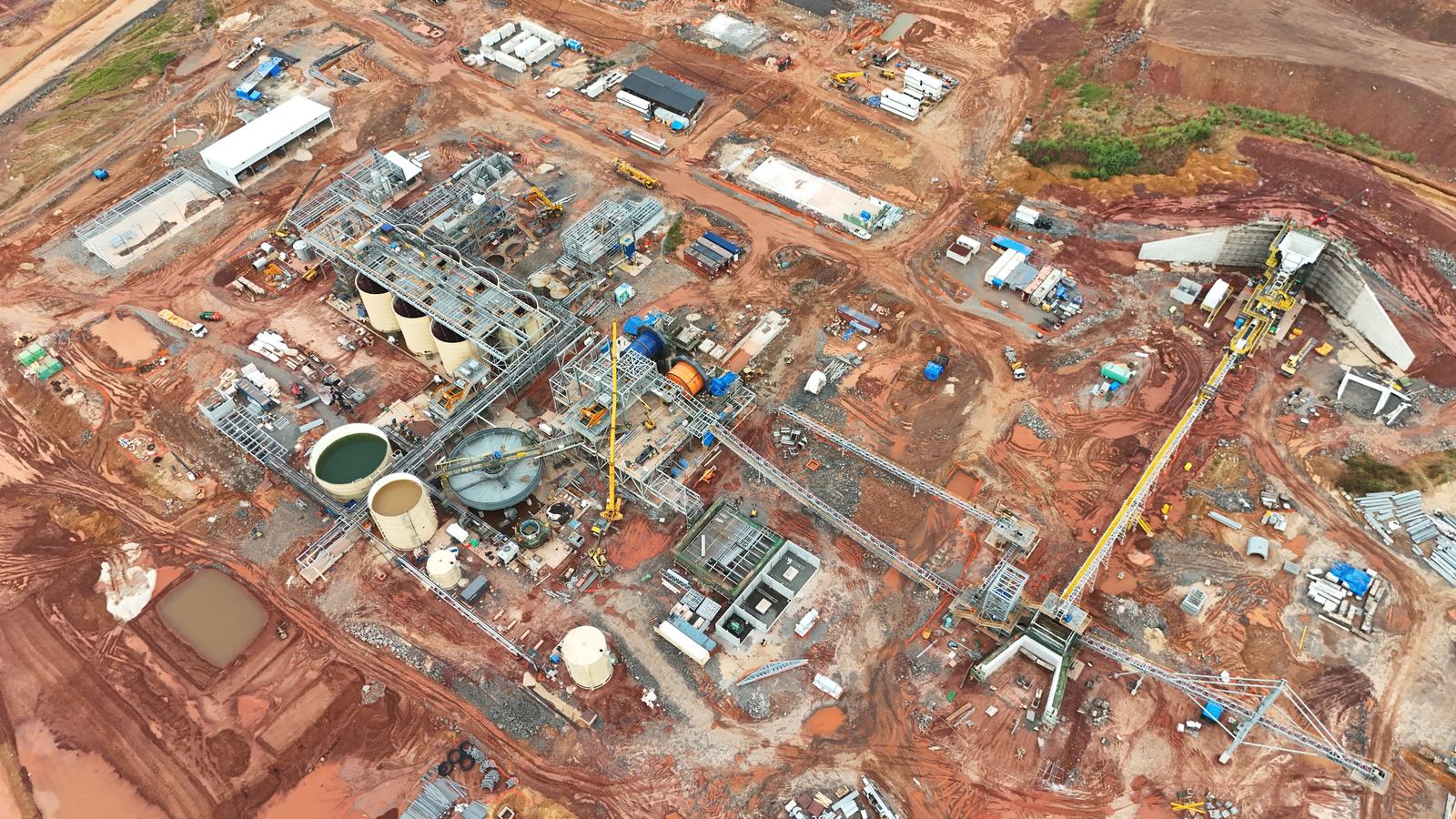
The mine sites across this region share a common problem: they are remote. Processing plants, pump stations, accommodation villages, workshops, tailings facilities, and access roads must all be built far from urban supply chains, in locations where construction plant hire markets do not exist, and under the safety management systems that international mining companies impose on every contractor who enters their sites.
Consar has delivered mining infrastructure across West Africa for four decades. The evidence is in the projects.
Mine Infrastructure in Ghana: Natural Resources, Newmont, AngloGold Ashanti, and Kinross
Ghana's gold mining sector draws the largest mining companies in the world. Newmont operates the Ahafo Mine in the Brong-Ahafo Region and the Akyem Mine in the Eastern Region, among the largest open-pit gold mines on the continent. AngloGold Ashanti operates mines in the Obuasi, Iduapriem, and Siguiri complexes. Kinross runs the Chirano Gold Mine in the Western Region.
Consar's teams have delivered construction and earthworks for each of these operators. At Newmont Ahafo North, Consar provided earthworks and infrastructure construction across Ghana operations. At AngloGold Ashanti, the scope covered civil infrastructure in support of active mining programmes. At the Kinross Chirano Gold Mine, Consar's teams delivered construction and earthworks on site.
The standard these operators require of contractors is not typical of commercial construction. Newmont and AngloGold Ashanti require documented safety management systems, lost time injury frequency rate (LTIFR) tracking, formal induction programmes, and continuous audit rights. A contractor entering one of these sites without a mature safety management system will not make it through the gate. West African mining's investment levels demand this standard.
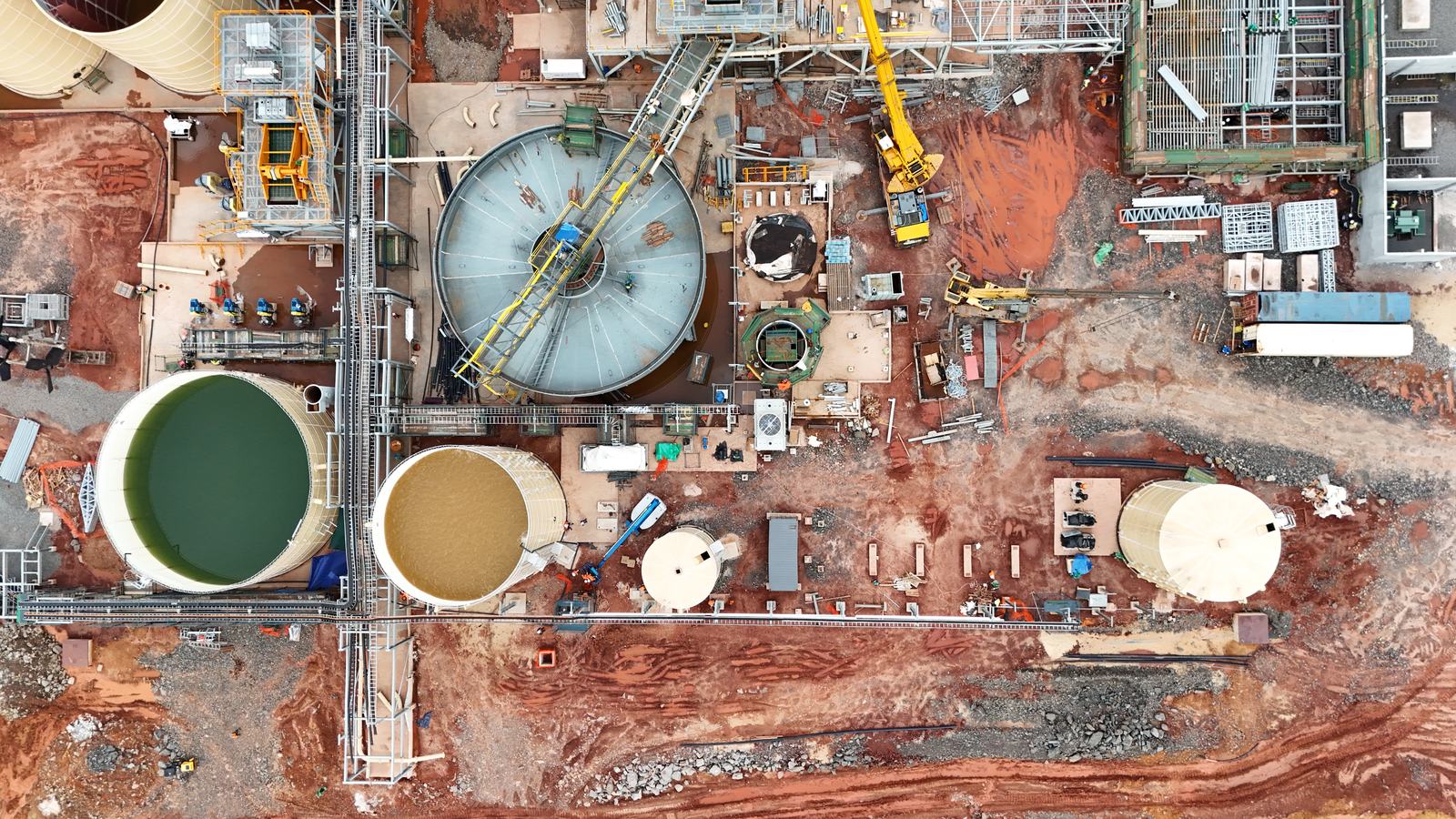
Cross-Border Mine Infrastructure: Burkina Faso, Mali, and Beyond
West African mining is not contained within Ghana's borders. The region's mineral deposits cross boundaries drawn by colonial administrations, and the mining companies that operate in Ghana also operate in Burkina Faso, Mali, Guinea, and Côte d'Ivoire. Across west Africa, regulatory requirements, ground conditions, and logistics chains differ between countries.
At the Kiaka Gold Mine in Burkina Faso, Consar managed construction and earthworks in a landlocked country with different ground conditions, different logistics chains, and different local procurement constraints than Ghana. Cross-border equipment movement required temporary import authorisations. Local content requirements imposed obligations around Burkinabé subcontractors and labour. The project delivered to the same quality and safety standards Consar applies in Ghana.
At the Rand Gold Morila Mine in Mali, Consar's teams operated within a Francophone legal and regulatory environment. Project documentation, procurement, and communication with local authorities ran in French. Consar's site management team navigated this alongside the technical delivery of the mining infrastructure scope.
Each of these cross-border projects required the same thing: a contractor experienced enough to absorb the complexity of a different country without passing that complexity to the client as variation claims or programme delays. Africa's mining sector operates in some of the world's most logistically challenging environments. Remote mining demands contractors who can sustain output far from supply chains.
What Mine Infrastructure Construction Covers in West Africa
Mine infrastructure is not a single contract type. It spans several distinct work categories across West Africa's mining industry.
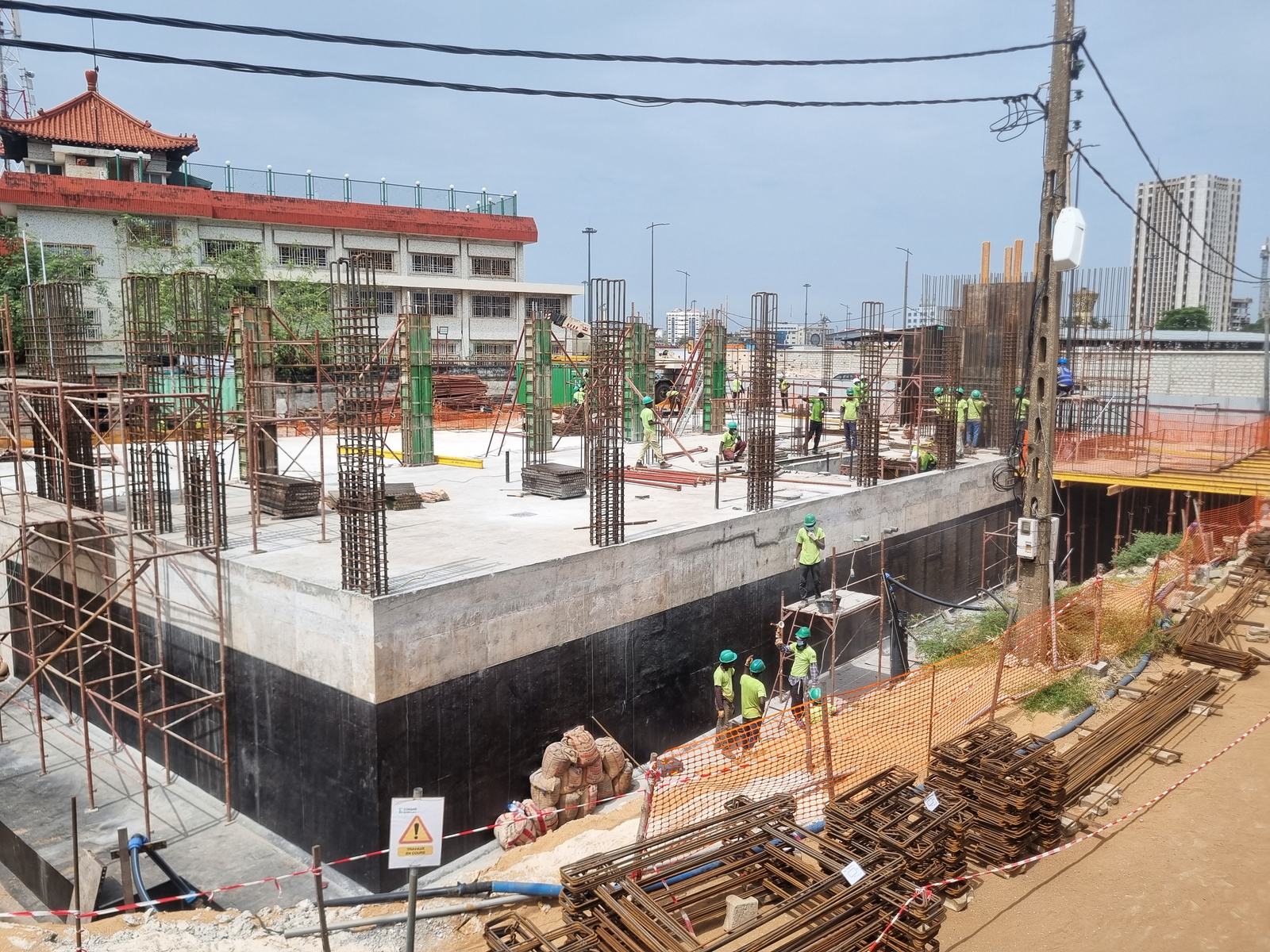
Processing plant civil works. The structural and civil foundation works for mill buildings, crusher platforms, leach pad structures, and elution circuits require reinforced concrete construction to tight structural tolerances. Processing plant structures carry dynamic loads from rotating equipment. Engineers size them and Consar's teams build them to withstand those loads for the 15 to 25 year life of the mine.
Pump stations and water management. Water management infrastructure at mine sites covers raw water abstraction, process water circuits, tailings return water systems, and site drainage. Pump stations, pipelines, and surge ponds require civil and structural construction as well as mechanical installation coordination.
Mine accommodation and camps. Remote mine sites require staff accommodation, catering facilities, medical centres, recreation areas, and security infrastructure. Consar's teams have delivered accommodation village construction for mining clients across the region. New mining camps for international operations are built to international standards.
Access roads and haul roads. Mine access roads must handle the axle loads of heavy mining equipment moving continuously. Haul road construction and maintenance inside mine boundaries is a continuous programme. Infrastructure development at mine sites depends on road networks that hold under the loads mining puts on them.
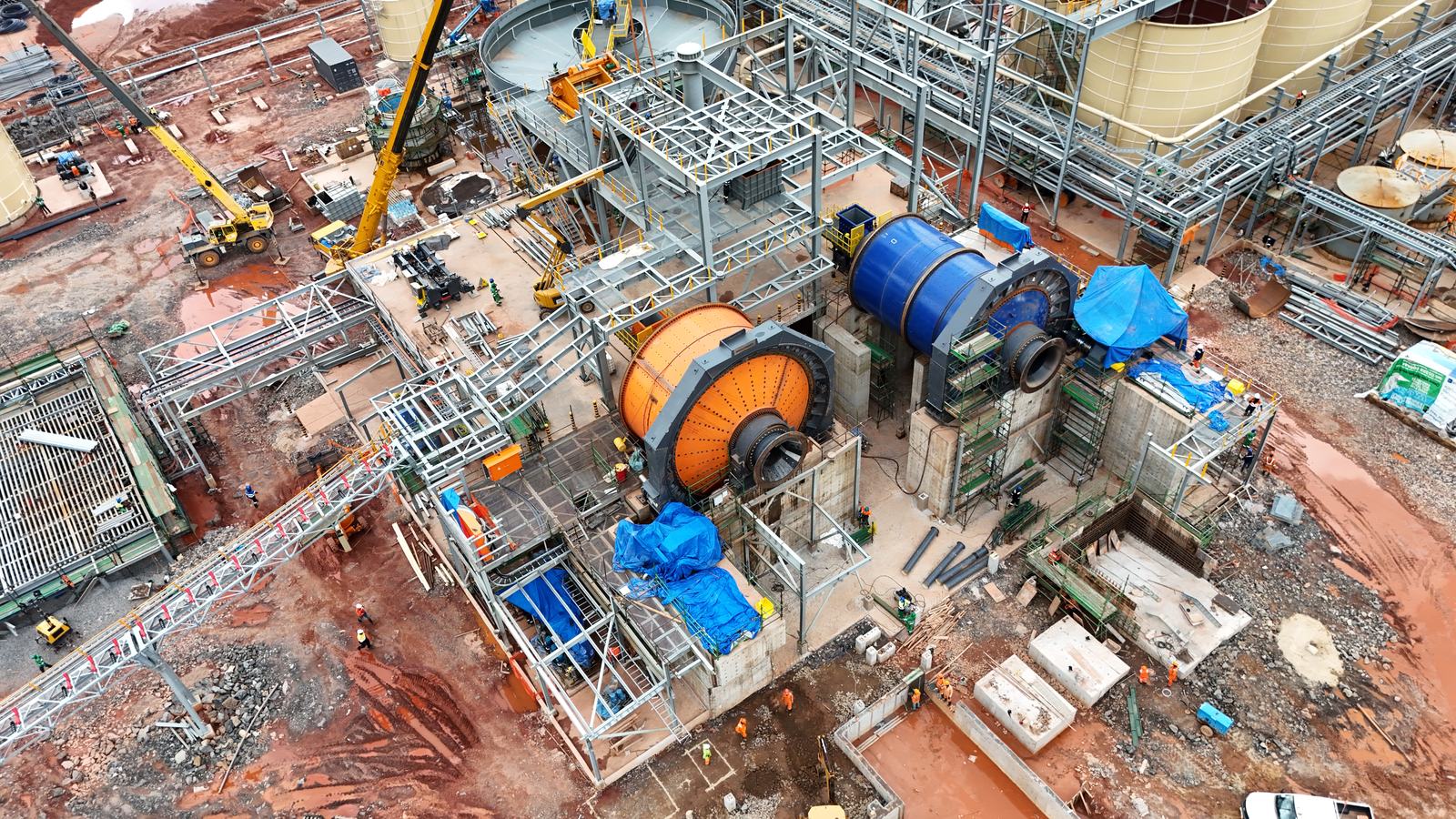
Mining Services and Equipment for Mining Companies in West Africa
Mine sites in remote West Africa share one logistical constraint: hired plant does not exist nearby. If a contractor builds with hired equipment and a critical machine breaks down at the Kiaka mine in Burkina Faso, finding a replacement takes days, not hours. The client's programme stops.
Consar owns its construction plant: excavators, articulated dump trucks, bulldozers, motor graders, vibratory compactors, concrete batching plants, and transit mixers. The company operates 9 batching plants and 35+ transit mixers across Ghana. Equipment that breaks down on a remote site can be supported from Consar's own fleet inventory. This is how mining services infrastructure gets delivered on schedule in places where the alternative does not exist. Mining companies in west africa rely on contractors who own and maintain their own fleet.
If you are planning mine infrastructure construction in West Africa, contact Consar's mining services team. The project portfolio includes mine sites across Ghana, Burkina Faso, and Mali. View completed projects for reference.
Related reading
- Road Construction in Ghana: Civil Infrastructure and Haul Roads
- Ready Mix Concrete in Ghana: Batching Plants, Transit Mixers, and Site Supply
- Consar Mining Services: Leading Mining Service in Ghana
Explore Consar's mining services and heavy civil construction, or contact the team to discuss your project.