In brief
- The GNPC Head Office in Accra is Ghana's first LEED-certified building and was built by Consar.
- LEED asks a contractor to document materials, waste, energy systems and indoor air quality at every stage.
- Certification appeals to multinational, development finance and diplomatic tenants.
Ghana has one LEED-certified building. Consar built it.
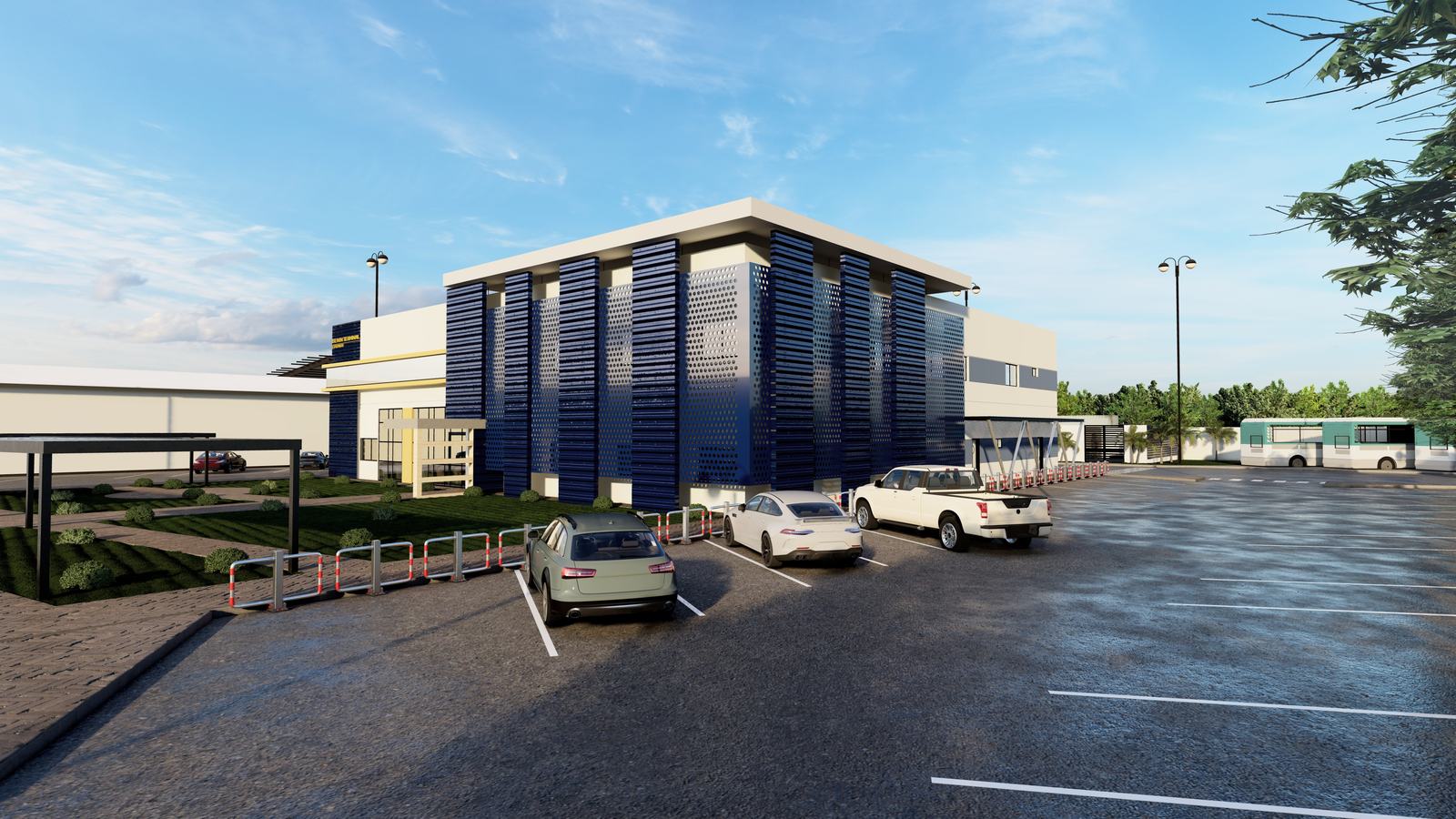
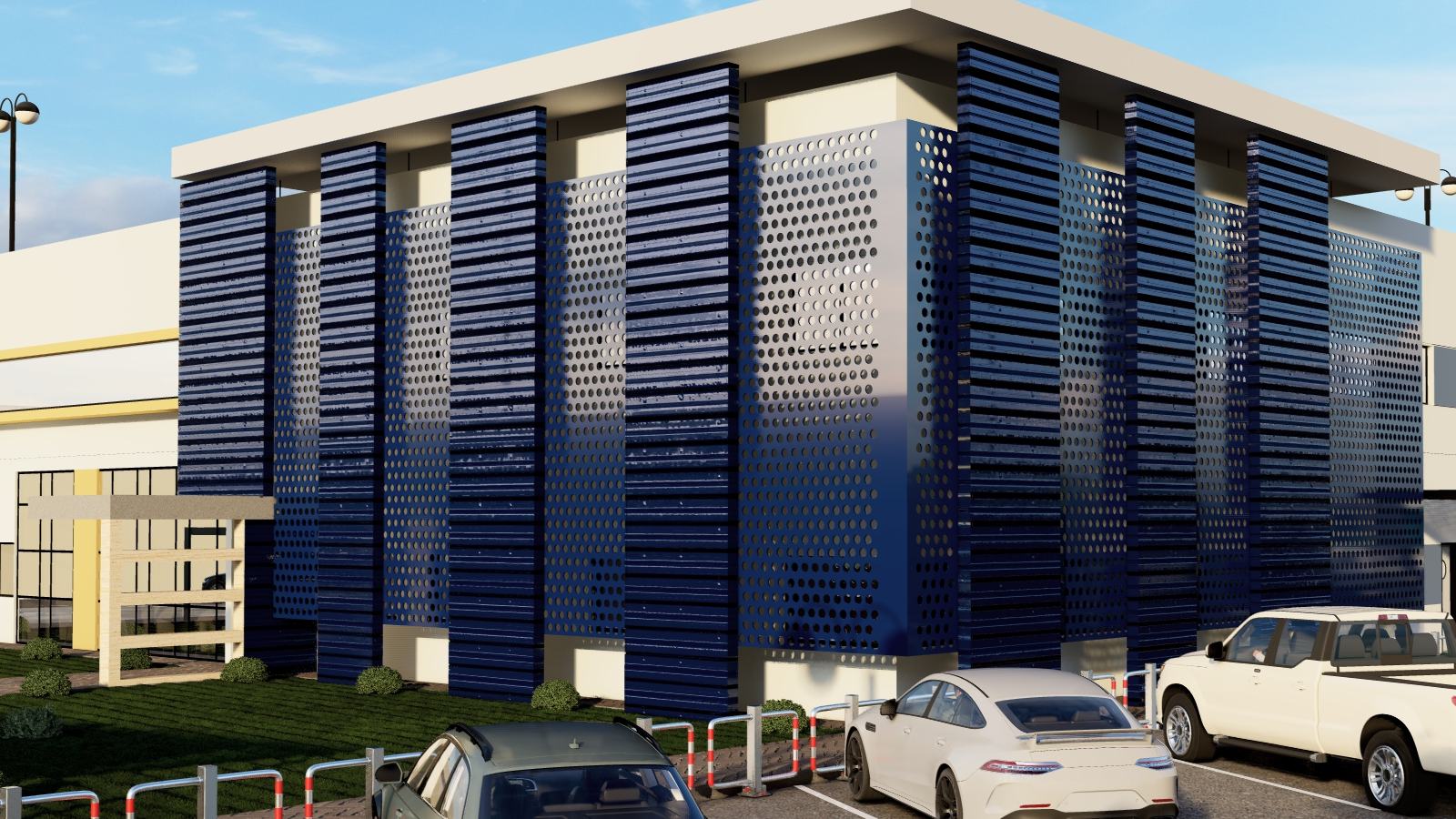
The GNPC Head Office in Accra, the national headquarters of the Ghana National Petroleum Corporation, became Ghana's first and only LEED-certified building when Consar completed it. The US Green Building Council issues LEED certification, the internationally recognised standard for sustainable building design and construction. Achieving it in Ghana required Consar's construction teams to work to documented environmental standards across every stage of the project: materials selection, energy systems, indoor air quality, water efficiency, and construction waste management.
This is what that process looked like, and what LEED certification means for construction projects in Ghana.
What LEED certification requires
LEED (Leadership in Energy and Environmental Design) is a points-based rating system. A building earns points across categories including sustainable site development, water efficiency, energy and atmosphere, materials and resources, and indoor environmental quality. Points accumulate to certification levels: Certified, Silver, Gold, and Platinum.
For a construction contractor, LEED means documentation at every stage. The concrete mix must meet specification for recycled content. Timber must carry chain-of-custody certification. Adhesives, paints, and sealants must meet low-VOC limits. Construction waste must be diverted from landfill, with weighbridge records to prove it. The site must manage stormwater runoff during construction, not just during operation.
A contractor who has not built to LEED standards before will encounter these requirements as a series of administration problems on top of the core construction work. A contractor with LEED experience absorbs them into standard project management.
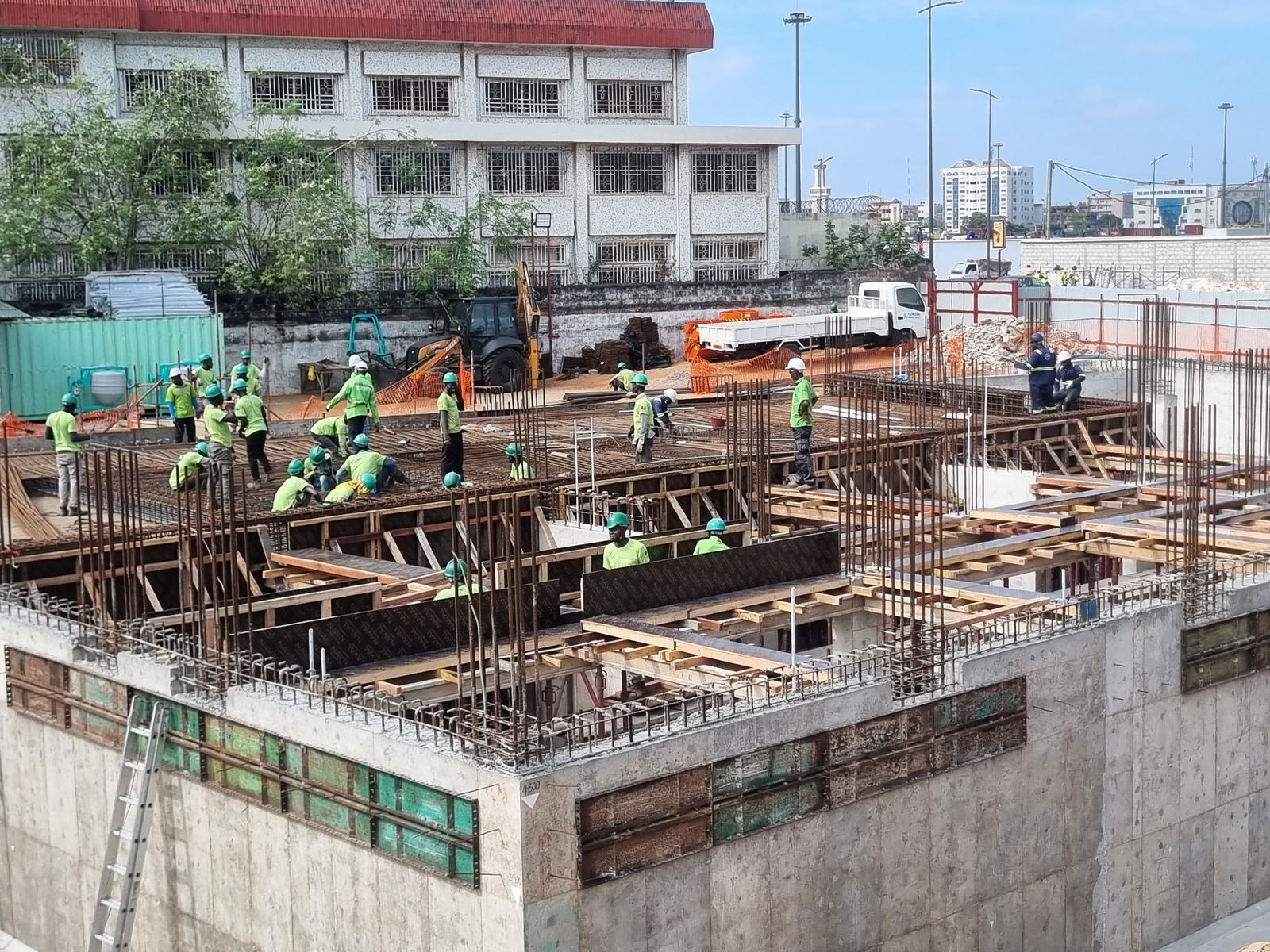
The GNPC Head Office Accra: Ghana's First LEED-Certified Building
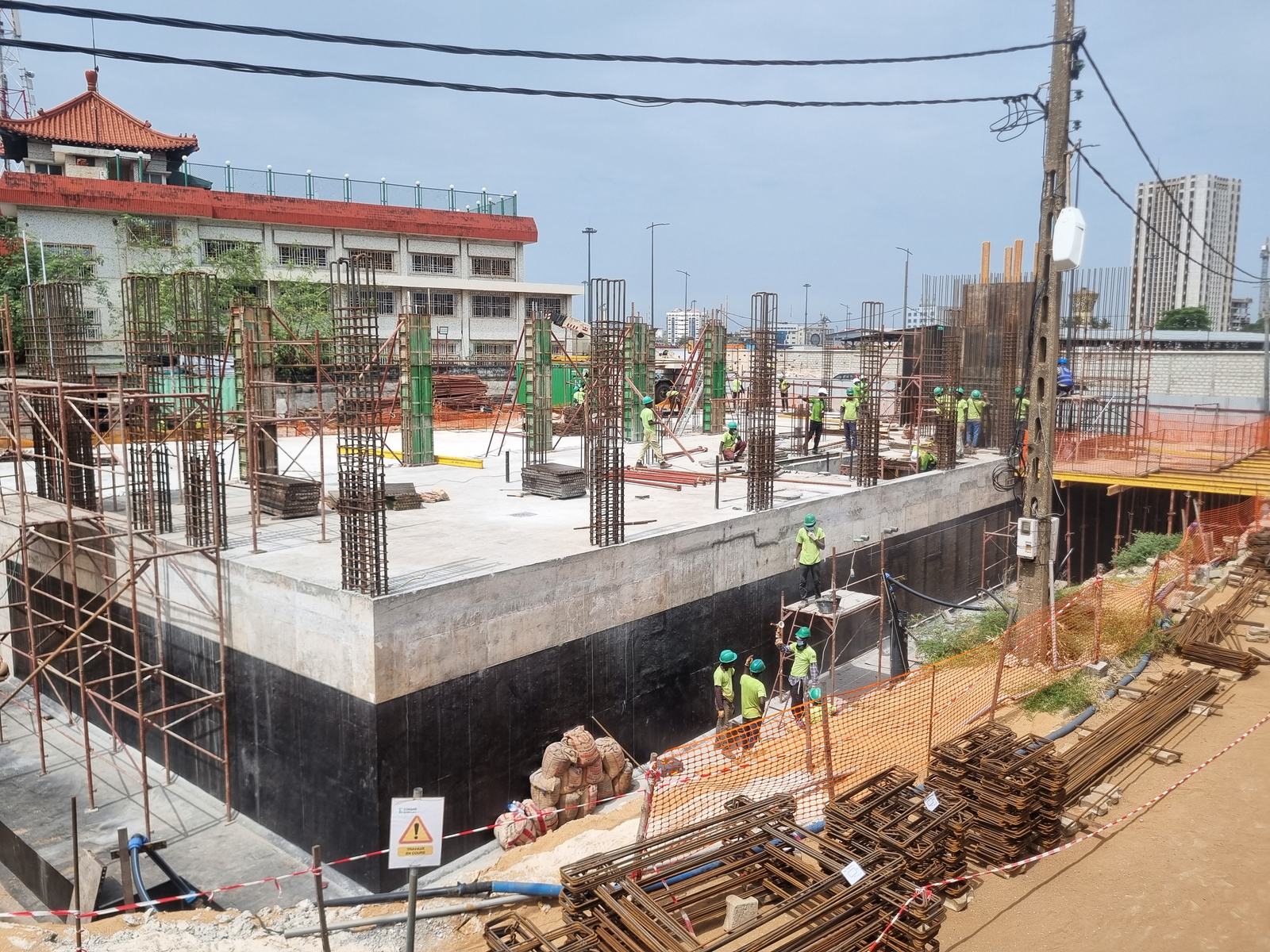
The GNPC Head Office required Consar to deliver a commercial office building that met LEED standards without a precedent to follow in Ghana. No Ghanaian contractor had achieved LEED certification before this project.
Consar's teams worked with the project architect and LEED consultant throughout the design and construction phases to ensure that every materials specification, every subcontractor scope, and every site management protocol aligned with LEED requirements.
Energy Efficient Systems and Leadership in Energy
Consar specified and commissioned the building's mechanical and electrical systems (HVAC, lighting, building management controls) to deliver measurable energy performance against a modelled baseline. Ventilation rates, lighting power density, and equipment loads all required documentation.
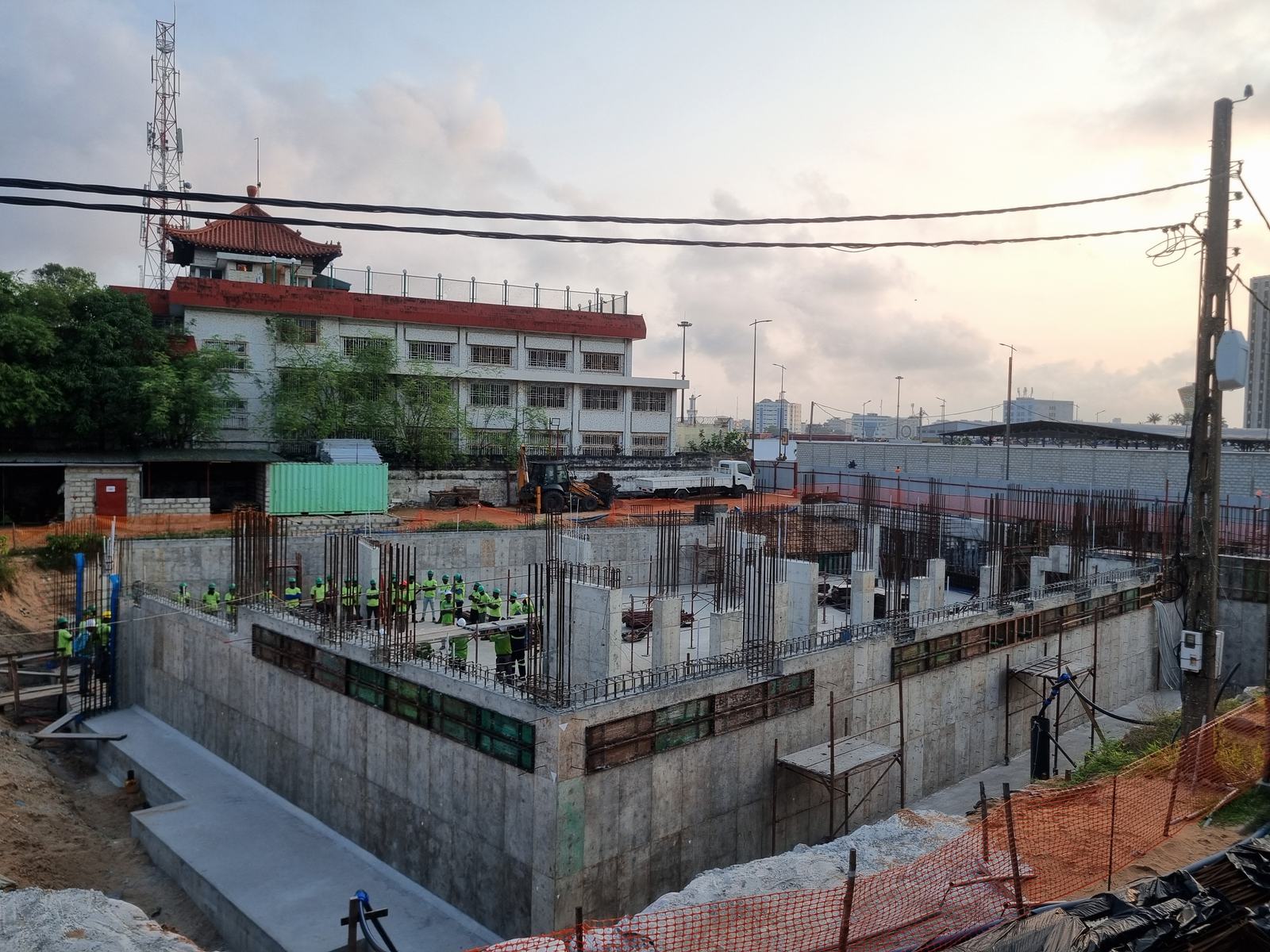
Sustainable Building Materials and Construction Quality
Consar's procurement team reviewed the specification for structural concrete, interior finishes, and cladding materials for recycled content, regional sourcing, and low-emission characteristics. Suppliers provided certification documentation for locally sourced and sustainable materials that contribute to LEED credits. Sustainability goals shaped every procurement decision.
Construction Waste and Environmental Design Standards
Consar's site teams tracked construction waste by material type, diverted recyclable materials from landfill, and maintained records for LEED submission. On a project of the GNPC scale, this requires active waste management infrastructure on site, not retrospective record-keeping.
Indoor environmental quality
Natural ventilation design and low-VOC materials specifications protect air quality inside the completed building. Consar's procurement team verifies product compliance before purchase on every material that falls under this requirement.
Site Management, Water Efficiency, and Durability
Stormwater management, reduced light pollution, and water-efficient landscaping and fixtures contributed further credits to the final certification score.
Why LEED Certification Matters for Building Development in Ghana
LEED-certified buildings attract a different class of tenant. Multinational companies, development finance institutions, embassies, and international NGOs require LEED or equivalent certification in their office procurement policies. A building that cannot demonstrate green building standards loses consideration before the viewing stage.
For the Ghana public sector, development finance institutions require environmental standards as a condition of financing. The World Bank, IFC, and African Development Bank all apply environmental and social governance criteria to the projects they finance. A LEED-certified building demonstrates environmentally compliant performance from day one. Projects above Ghana's environmental impact threshold must also satisfy Ghana EPA assessment requirements before construction commences.
Sustainability performance reduces operating costs. Energy and water efficiency translate to reduced running costs over the building's life, which matters to the owner and to tenants who pay service charges. For a developer, a sustainable building commands higher rents and lower vacancy than a comparable conventional building.
Green Building Construction in Ghana: What Consar LTD Delivered
LEED-compliant construction in Ghana is achievable. The built environment here can meet international green building standards. The GNPC project proved it. The constraints are real: quality construction practices require compliant materials and more careful procurement, the documentation burden is higher, and the construction programme must account for commissioning activities that standard commercial projects do not include.
A developer planning a LEED-certified building in Ghana needs a contractor who has done it before. Consar LTD achieved LEED certification on the GNPC Head Office, the only building in Ghana's construction industry to have achieved LEED, the only completed LEED project in Ghana's construction market. Consar's teams carry the experience of that delivery into every subsequent commercial project. Consar's approach to sustainable construction is set out in the company's sustainability programme.
If you are planning a commercial building design and construction project in Ghana that requires green building standards, LEED certification, or sustainable construction practices, contact Consar's commercial construction team to discuss your project.
Related reading
- Institutional Construction in Ghana: Schools, Hospitals, and Public Buildings
- Construction Cost in Ghana: 2026 Guide
- Bridging the Gap: Sustainable and Quality Building Construction in Ghana
Explore Consar's commercial construction and sustainability work, or contact the team to discuss your project.